Multiplatform
AI Ecosystem
for Drug Discovery
Receptor.AI develops novel therapeutic molecules and AI technologies that accelerate drug discovery
Receptor.AI integrates physics-informed AI, adaptive molecular optimization, and modality-specific discovery platforms to advance therapeutic candidates across complex target biology.
.avif)


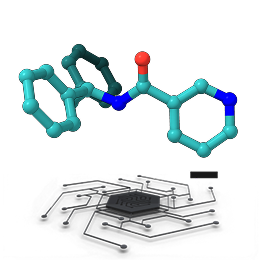
Small Molecules Platform
- AI drug discovery workflows for different target classes: kinases, GPCRs, ion channels, enzymes, etc.
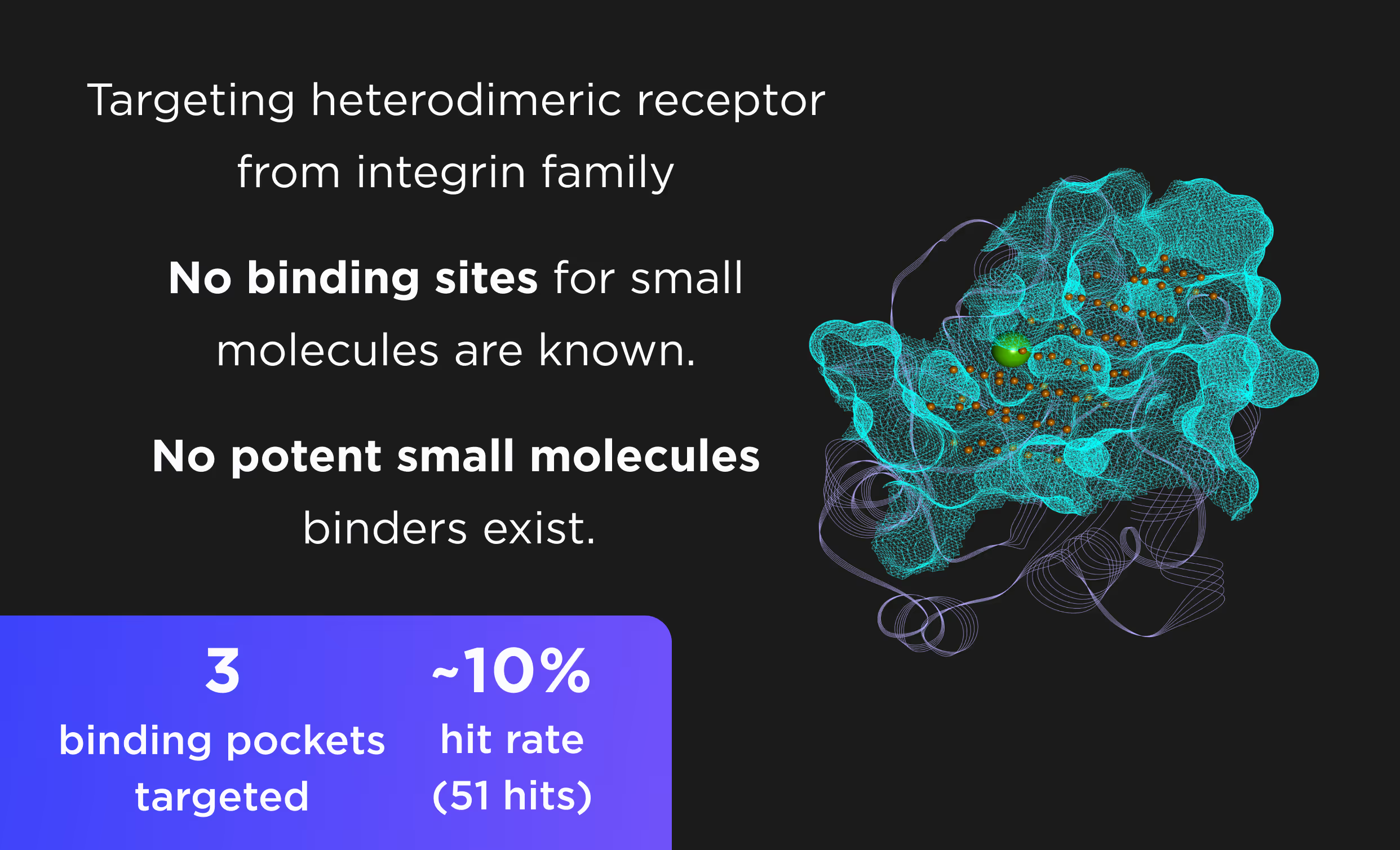
- AI pocket identification and targeting including allosteric, hidden, transient, and cryptic pockets.
- Automated SAR analysis with a hybrid intelligence approach; AI binding mode identification.
- Multiparametric virtual screening and lead optimization with QuorumMap.
- Selectivity optimization against highly similar isoforms and mutants.
- The largest set of ADMET endpoints for prediction and optimization with ADMETiQ.
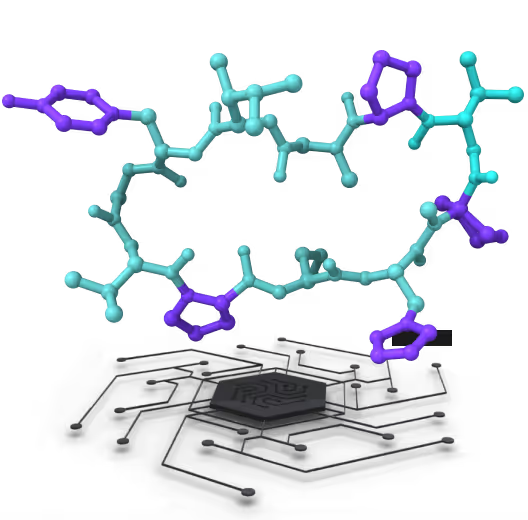
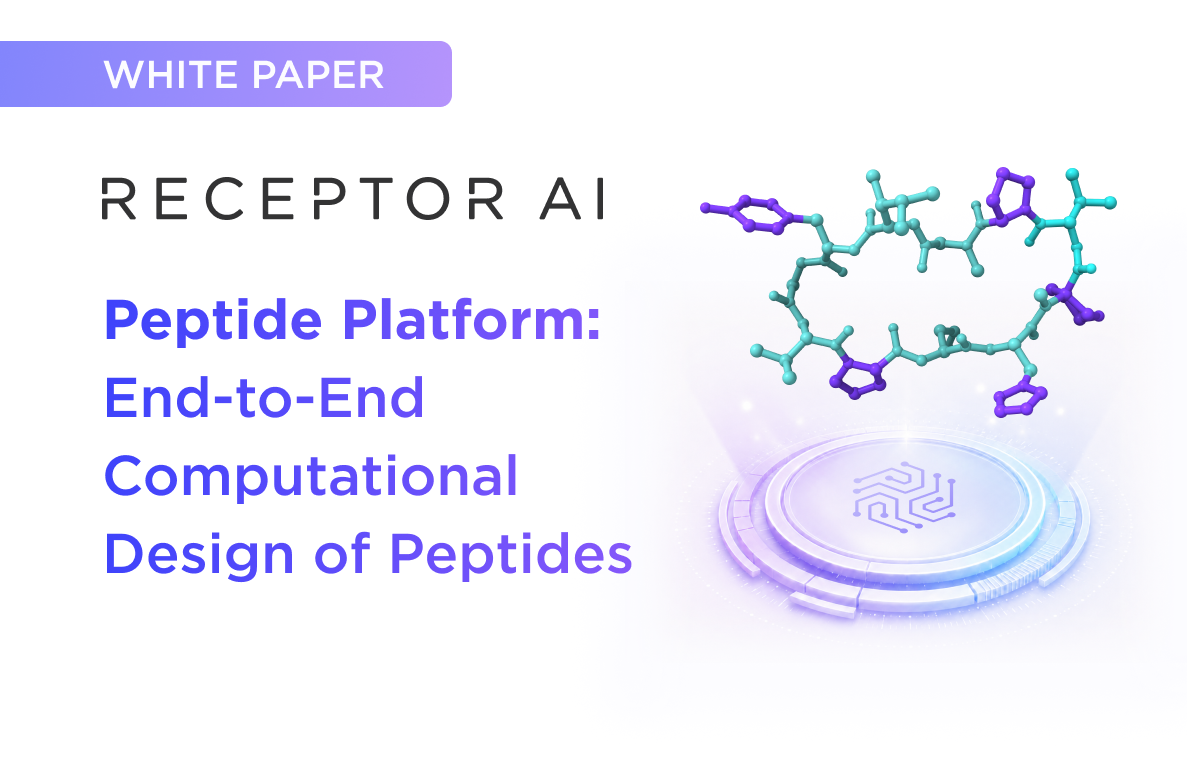
Peptide Platform
- De novo binder design based on endogenous ligands, PPI partners, or display hits.
- Library of 10K+ non-canonical amino acids, non-peptide blocks, and linkage chemistry for unlimited diversity.
- Multiparametric optimization of peptide activity, permeability, and oral availability.
- Peptide-to-small-molecule workflow to develop compounds with superior ADMET properties.
- Scaffold-agnostic system that supports peptides of any topology and secondary structure.
Biologics & Proximity Platform
- Designing various proximity inducers, such as degraders and molecular glues and PPI disruptors.
- Enabling antibody-based therapeutics, including bispecifics, immune cell engagers, and antibody-guided scaffolds.
- Predicting PPI structures and ternary complexes without known structures and homology templates.
- Targeting both natural and induced PPIs, including transient and membrane interactions.
- Developing diverse modalities such as small molecules, peptides, antibody-derived formats, or drug conjugates.
Co-development Programs
We are currently engaged in 7 co-development projects progressing from hit discovery to preclinical stage. Addressing the industry’s most challenging targets we continuously refine our platforms, expanding their capabilities to deliver impactful new therapies.
co-dev Program
indication
Target ID &
validation
validation
Early discovery
Lead optimization
IND-enabling
Phase 1
Small molecules
RAI-001
Nephrology
RAI-002
Oncology
RAI-004
Inflammation
Eilean Tx
Oncology
Eilean Tx
Nephrology
Eilean Tx
Oncology
Peptides
RAI-003
Cardiology

.avif)